Skip to content
Menu
  • Home
  • Business
  • Education
  • Insurance
  • Social Media
  • Health
  • Finance
Packersauthenticofficialstore

Author: Michael

Collectible Pontiac Muscle Cars Attract Passionate Automotive Historians Worldwide

Posted on April 1, 2026

Classic muscle cars hold a special place in automotive history, drawing attention from collectors and enthusiasts around the globe. Their iconic design, powerful performance, and cultural significance make them more than just vehicles they are symbols of an era defined by innovation and excitement. Collectors are particularly captivated by rare and well-preserved models, fueling a thriving community of automotive historians and aficionados.

Iconic Design and Timeless Style

Muscle cars are celebrated for their bold, distinctive designs:

  • Sleek body lines that convey speed and power
  • Striking color options and custom finishes
  • Unique grille and emblem details
  • Aerodynamic shapes combined with aggressive stances
  • Interior craftsmanship that reflects the era’s style

These elements contribute to a car’s collectible value and aesthetic appeal, making them sought-after additions to any collection.

Exceptional Performance and Engineering

Performance is a defining feature that draws attention from enthusiasts and historians alike:

  • Powerful engines that deliver thrilling acceleration
  • Advanced suspension and braking systems for their time
  • Distinctive exhaust notes that capture the essence of performance
  • Manual and automatic transmission options offering versatile driving experiences
  • Engineering innovations that influenced future automotive developments

Muscle cars are revered not just for speed, but also for the ingenuity and craftsmanship behind their construction. Driving a pontiac muscle car delivers an exciting experience, combining strong engines with iconic styling that captures attention everywhere.

Cultural Significance and Historical Value

Collectors value muscle cars for their deep cultural and historical impact:

  • Representation of a unique era in automotive history
  • Iconic presence in films, music, and pop culture
  • Influence on automotive design trends for decades
  • Reflection of lifestyle, freedom, and rebellion
  • Documented provenance that enhances authenticity and rarity

These factors turn each vehicle into a tangible piece of history, capturing the imagination of enthusiasts worldwide.

Rarity and Investment Potential

The scarcity of well-maintained muscle cars adds to their allure:

  • Limited production runs create exclusivity
  • High-quality restorations increase value over time
  • Original parts and features are highly prized
  • Collectors seek models with documented histories
  • Appreciation potential makes them both passion and investment

Rare models become highlights in collections and command admiration at shows and auctions.

Community and Enthusiast Networks

Muscle car collectors often thrive within supportive communities:

  • Enthusiast clubs and local meetups
  • Worldwide exhibitions and car shows
  • Knowledge sharing and preservation techniques
  • Networking opportunities with fellow historians
  • Collaboration on restoration and maintenance projects

These networks foster connections and create shared experiences that deepen appreciation for automotive history.

Collectible muscle cars continue to attract passionate automotive historians due to their unique combination of design, performance, and cultural significance. From rare models to timeless engineering, these vehicles represent more than just transportation they are living history. Collectors and enthusiasts worldwide celebrate their legacy, ensuring that the spirit of classic muscle cars remains alive for generations to come.

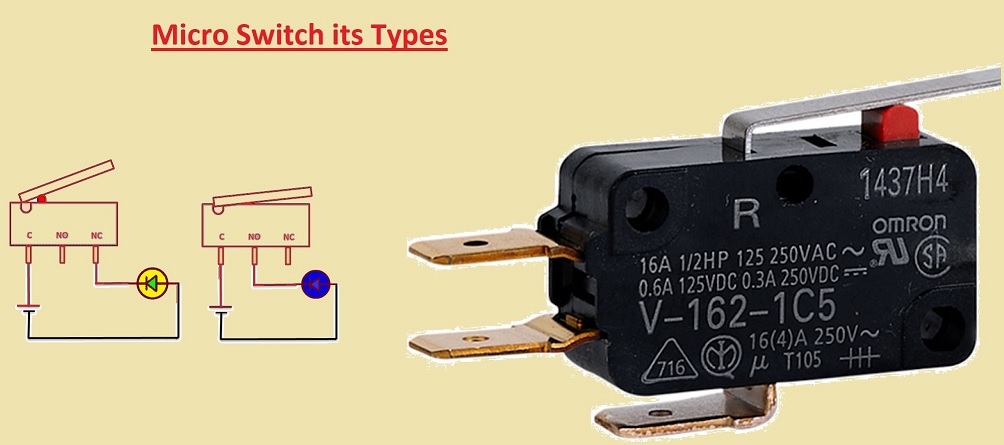
Understanding limit switch symbol improves communication among engineers and technicians

Posted on March 31, 2026April 1, 2026

Clear communication is essential in engineering environments where precision and safety matter. One of the most effective ways to achieve this clarity is through standardized symbols in electrical and mechanical schematics. Among these, the limit switch symbol plays a vital role in conveying critical information quickly and accurately. Understanding this symbol significantly improves collaboration between engineers and technicians across various industries. Reviewing limit switch diagram helps avoid wiring mistakes.

The Importance of Standardized Symbols

Standardized symbols act as a universal language in technical drawings. The limit switch symbol, in particular, represents a device that detects the presence or position of an object and triggers a response.

  • Ensures consistent interpretation across teams
  • Reduces dependency on lengthy explanations
  • Enhances readability of complex schematics
  • Supports faster onboarding of new team members

By relying on commonly accepted symbols, professionals can instantly recognize components and their functions without confusion.

Enhancing Clarity in Technical Communication

Miscommunication in engineering projects can lead to costly errors and delays. A well-understood limit switch symbol eliminates ambiguity and ensures that everyone involved interprets the design in the same way.

  • Clearly indicates switch position and function
  • Helps differentiate between normally open and normally closed contacts
  • Simplifies troubleshooting discussions
  • Promotes precise documentation practices

When both engineers and technicians share the same understanding, workflows become smoother and more efficient.

Supporting Efficient Collaboration

Projects often involve multidisciplinary teams working together. The limit switch symbol bridges communication gaps between electrical engineers, mechanical engineers, and maintenance technicians.

  • Enables seamless coordination during design and installation
  • Reduces the need for repeated clarifications
  • Improves alignment between planning and execution
  • Facilitates effective handovers between teams

This shared visual language strengthens teamwork and ensures that all members stay aligned with project goals.

Improving Troubleshooting and Maintenance

In maintenance and repair scenarios, time is critical. Recognizing and understanding the limit switch symbol allows technicians to quickly identify components and diagnose issues.

  • Speeds up fault identification
  • Minimizes downtime in industrial systems
  • Guides accurate replacement and repair actions
  • Enhances confidence during system inspections

With clear symbols, technicians can act decisively without second-guessing the system layout.

Boosting Documentation Quality

High-quality documentation is essential for long-term system reliability. Proper use and understanding of the limit switch symbol contribute to creating clear, professional schematics.

  • Makes diagrams easier to update and modify
  • Ensures consistency across multiple documents
  • Supports compliance with industry standards
  • Improves knowledge transfer within organizations

Well-documented systems are easier to manage, maintain, and expand over time.

Encouraging Professional Growth

Mastering schematic symbols, including the limit switch symbol, enhances technical expertise and confidence.

  • Builds strong foundational knowledge
  • Improves communication skills in technical settings
  • Increases efficiency in design and analysis tasks
  • Strengthens problem-solving capabilities

As professionals become more fluent in symbolic representation, they contribute more effectively to their teams.

Conclusion

Understanding the limit switch symbol is more than a technical skill it is a powerful tool for improving communication among engineers and technicians. By promoting clarity, consistency, and collaboration, this knowledge helps streamline workflows and enhances overall project success. Embracing standardized symbols ultimately leads to better coordination, faster problem-solving, and more efficient engineering practices.

Improve Customer Satisfaction By Offering Helpful Plant Facts

Posted on March 11, 2026March 13, 2026

In the world of plant retail, providing more than just products can significantly enhance customer satisfaction. Shoppers today value guidance, education, and insights that help them care for their plants successfully. Offering helpful plant facts alongside your products creates a richer shopping experience, strengthens customer trust, and encourages long-term engagement.

Why Plant Facts Matter

Plant facts are short, informative pieces of knowledge about individual plants, including care tips, growth habits, and ideal conditions. These details help customers make informed decisions, avoid common mistakes, and enjoy a thriving indoor or outdoor garden.

By integrating plant facts into product listings, digital catalogs, and physical displays, retailers can provide value that goes beyond the plant itself. Plant photos contribute to sustainable agriculture by helping identify crops, pests, and beneficial plant traits effectively.

Benefits of Sharing Plant Facts

Providing helpful plant facts can positively influence customer satisfaction in multiple ways:

  • Empowers informed purchases
    Customers know what to expect from their plants and can select the best fit for their environment.
  • Enhances plant care success
    Guidance on watering, sunlight, soil type, and fertilization improves plant health and longevity.
  • Reduces product returns
    Educated customers are less likely to return plants due to misunderstandings or care challenges.
  • Builds trust and credibility
    Offering knowledge positions your storefront as a helpful and reliable source.
  • Encourages repeat business
    Customers are more likely to return when they feel supported and confident in their purchases.
  • Promotes social sharing
    Engaging facts inspire customers to share tips and experiences with friends and family.

How to Present Plant Facts Effectively

The way plant facts are shared can influence their impact on customer satisfaction. Consider these strategies:

  • Product listings and tags
    Add care tips and growth characteristics directly in the plant description.
  • Informational cards
    Provide small cards with each plant that highlight essential care instructions and interesting facts.
  • Digital guides and newsletters
    Include plant facts in online content or emails to support continued learning.
  • Visual content
    Use images or icons to represent sunlight needs, watering frequency, and ideal conditions.
  • Interactive experiences
    Implement searchable databases or filters that allow customers to discover plants by care level or environment compatibility.

Examples of Helpful Plant Facts

Even simple pieces of information can make a big difference:

  • Light requirements – Full sun, partial shade, or low-light tolerance.
  • Watering frequency – How often a plant thrives when watered.
  • Growth potential – Expected height, width, and seasonal changes.
  • Soil preferences – Ideal soil types for optimal growth.
  • Air-purifying qualities – Plants that naturally improve indoor air quality.
  • Pet safety – Which plants are safe around animals?

Strengthening Customer Relationships

Offering plant facts demonstrates care and expertise, creating a connection between your storefront and customers. Shoppers feel supported in their plant care journey, resulting in:

  • Higher satisfaction and loyalty
  • Positive reviews and referrals
  • Increased engagement with products and content
  • A sense of community and shared knowledge

Conclusion

Sharing helpful plant facts is a simple yet powerful way to improve customer satisfaction. By providing educational, accurate, and actionable insights, plant retailers can help customers nurture healthy plants, build trust, and encourage repeat visits. A knowledgeable approach turns every purchase into a positive experience, ensuring that both plants and customers flourish.

Decorative Drapes and Blinds Elevating Interior Aesthetic Appeal

Posted on March 4, 2026March 6, 2026

Decorative drapes and blinds are more than functional Raambekleding they are powerful design elements that define mood, enhance comfort, and elevate overall interior aesthetic appeal. Whether designing a contemporary apartment, a luxury villa, or a professional workspace, thoughtfully selected drapes and blinds can transform ordinary rooms into visually captivating spaces. With modern materials, textures, and innovative styling options, decorative window treatments now blend beauty with performance effortlessly.

The Power of Elegant Window Styling

Windows naturally draw attention. Dressing them with decorative drapes and blinds enhances the architectural character of a room while adding warmth and sophistication.

Key benefits include:

  • Enhanced visual depth and dimension
  • Improved light control and privacy
  • Elevated color harmony within interiors
  • Seamless blending of function and style

From soft flowing fabrics to sleek structured blinds, every choice contributes to a refined and polished interior atmosphere.

Raambekleding

Popular Decorative Drapery Styles

Decorative drapes introduce softness, movement, and luxury into a space. They can be customized to match diverse interior themes from classic to modern minimalism.

Flowing Fabric Drapes

  • Add elegance and dramatic appeal
  • Create a cozy and inviting environment
  • Complement traditional and transitional interiors

Layered Drapery Designs

  • Combine sheer and opaque panels
  • Offer flexible light filtering options
  • Add texture and visual richness

Patterned and Textured Curtains

  • Introduce artistic flair
  • Create focal points within rooms
  • Enhance personality without overwhelming decor

When chosen thoughtfully, decorative drapes elevate living rooms, bedrooms, dining areas, and even home offices with graceful sophistication.

Stylish and Modern Decorative Blinds

Blinds provide structure and clean lines while maintaining decorative appeal. Today’s decorative blinds combine sleek engineering with attractive finishes to suit diverse design preferences.

Horizontal and Vertical Blinds

  • Offer precise light control
  • Suit large windows and sliding doors
  • Provide a neat, streamlined appearance

Roman-Style Blinds

  • Deliver soft folds for a refined look
  • Blend the elegance of drapes with the practicality of blinds
  • Enhance both classic and modern interiors

Textured and Designer Finishes

  • Add depth through woven materials
  • Create subtle visual interest
  • Complement minimalist decor themes

Decorative blinds are perfect for homeowners seeking balance between functionality and contemporary style.

Enhancing Interior Design Through Color and Texture

Color coordination plays a crucial role in elevating interior aesthetic appeal. Neutral tones create calming environments, while bold shades add energy and contrast. Textures such as linen-inspired weaves, smooth finishes, or layered fabrics contribute to tactile richness.

To maximize impact:

  • Match window treatments with furniture accents
  • Use contrast for visual drama
  • Select light-filtering options for a soft glow
  • Incorporate layered treatments for dimension

Thoughtful combinations ensure a cohesive and harmonious design flow.

A Smart Investment in Beauty and Comfort

Decorative drapes and blinds enhance more than just appearance they improve daily living experiences. By regulating natural light, supporting privacy, and adding visual warmth, they contribute to comfort and well-being.

Incorporating decorative window treatments is one of the most effective ways to elevate interior aesthetic appeal. With endless design possibilities and versatile styling options, drapes and blinds continue to redefine modern interior decor bringing elegance, charm, and lasting visual impact to every space.

Why Custom Bathroom Builders Deliver Better Results (and Fewer Regrets)

Posted on February 27, 2026March 3, 2026

A bathroom remodel looks deceptively simple on Pinterest. Then you open a wall and discover plumbing that was “creatively interpreted” sometime around 1987.

Here’s the thing: custom bathroom builders win because they don’t treat your project like a kit. They treat it like a system, waterproofing, ventilation, layout, lighting, materials, sequencing, code, everything connected. That’s how you get a bathroom that feels calm on day one and still feels solid five years later.

One-line truth: Bathrooms punish sloppy work.

Hot take: If you’re not paying for planning, you’ll pay for rework.

I’ve seen gorgeous tile jobs fail because the substrate wasn’t flat, or because waterproofing was “basically fine.” Builders like custom bathroom builders Gold Coast tend to be more protective of the boring stuff, the layers you’ll never see but will absolutely suffer from if they’re wrong.

A good custom builder doesn’t start with finishes. They start with constraints:

– Where the plumbing can go (not just where you want it)

– Venting and drain slope realities

– Load and framing limitations

– Moisture management and airflow

– Code compliance and inspection sequencing

That’s the difference between “pretty” and “built.”

Why hire a custom bathroom builder, really?

Think of them as the person holding the entire project together while ten separate decisions try to pull it apart.

On the practical side, you get a single point of accountability. On the technical side, you get someone who can coordinate trades without turning your home into a long-running negotiation. And on the human side, you get fewer spirals of “Wait, who’s ordering that valve?” and “Why is the niche on the wrong wall?”

Custom builders also tend to prevent the expensive domino effect. Move a toilet two feet? That can trigger a drain relocation, vent adjustments, floor patching, tile layout changes, and a new inspection. A builder who plans properly sees that chain before it forms.

Tailoring the space to your style and budget (without pretending money is irrelevant)
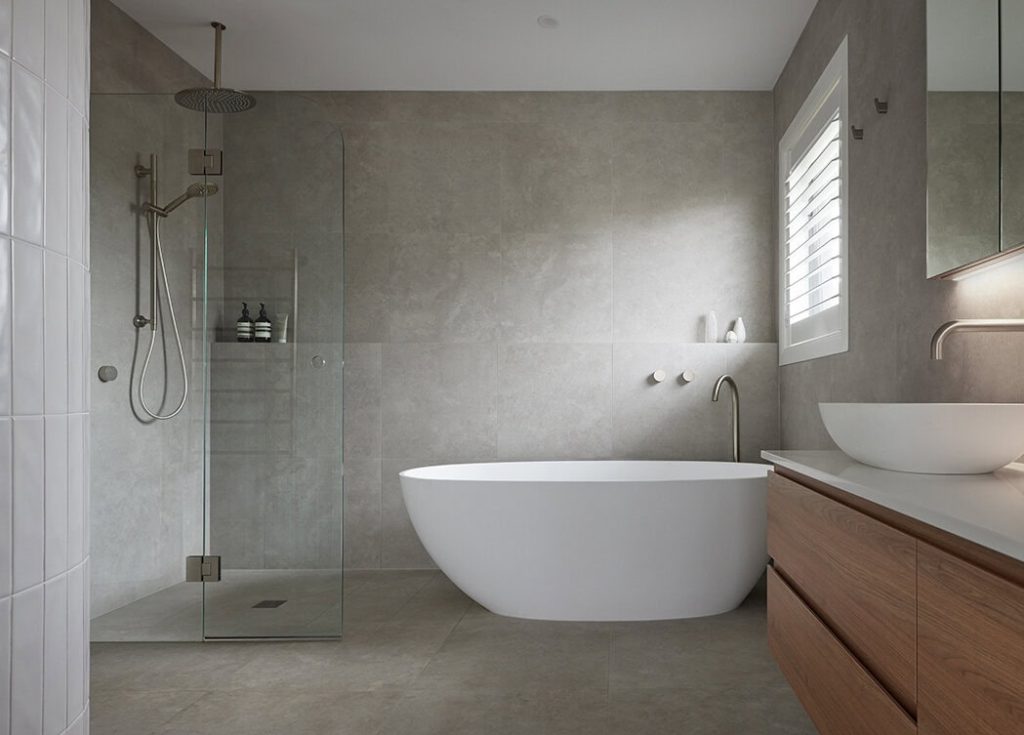
Kuda Bathrooms & Renovations

You can absolutely have style on a tight budget. You just can’t have every style choice at once.

Most clients don’t need more square footage, they need better decisions per square foot. A custom builder (or builder-led design team) typically works backward from your routines:

Morning traffic. Storage habits. How you like light at the mirror. Whether you’ll actually use a freestanding tub or just photograph it once.

Now, this won’t apply to everyone, but… a “custom” bathroom is often less about fancy and more about fit. Door swings that don’t clip towel bars. A shower control you can reach without getting blasted. A vanity height that doesn’t wreck your back.

Tailored space fit, the real version

If you want the short version: layout is the luxury.

I’m a big believer in spending time on:

– Sightlines (what you see when you walk in)

– Clearance around the toilet and vanity

– Storage in the right zip codes (near where you actually stand and reach)

– Lighting layers, ambient + task + a little accent, not one harsh ceiling fixture

And yes, eco-friendly fixtures belong here too, not as a moral badge, but because efficiency and reliability are usually linked.

Budget-conscious design that doesn’t feel cheap

Smart budgeting isn’t “pick the lowest price.” It’s choosing what can be replaced later versus what’s miserable to redo.

Splurge-worthy items often include waterproofing, valves, the shower system behind the wall, and anything structural. Meanwhile, you can get a surprisingly high-end look from midrange tile if the layout, grout lines, and edges are crisp (edges are where cheap shows).

A practical way builders keep you in control is by giving options in tiers: baseline, better, best, so you can upgrade intentionally instead of emotionally.

What hands-on project management looks like when it’s actually hands-on

Some people hear “project management” and think it’s just scheduling. It’s not. It’s sequencing plus enforcement.

A hands-on custom builder is doing things like:

– Checking framing before backer board goes up (because once it’s covered, it’s too late)

– Verifying waterproofing thickness, overlaps, and penetrations

– Catching “almost right” rough-in placements before tile locks them in

– Tracking lead times so a missing niche light doesn’t stall the whole job

Look, the best builders I know aren’t yelling. They’re documenting. They’re making the next step obvious to every trade. They’re preventing the classic bathroom remodel moment: three people standing around because one decision didn’t get made.

Layout strategies that make a small bathroom feel bigger

This section doesn’t need a thesis. It needs clarity.

Bad layouts waste movement. Good layouts disappear.

A few moves that reliably work (in my experience):

– Use vertical storage instead of deeper floor cabinets that choke pathways

– Keep the wet zone (shower/tub) logically grouped to simplify plumbing

– Avoid “pinch points” where two people can’t pass

– Place lighting at mirror height, not just overhead, so faces don’t look like campfire stories

One detail people underrate: your towel placement. If you have to drip across the room, the layout failed.

Premium materials and finishes: longevity isn’t a vibe, it’s physics

Moisture, heat, chemicals, and daily use are relentless. Bathrooms are closer to a mechanical room than a living room, even if they’re styled like a spa.

Premium doesn’t just mean marble. It means the whole assembly is durable: substrates, fasteners, sealants, waterproofing membranes, and the compatibility between them.

A quick stat (because numbers cut through marketing)

According to the U.S. Environmental Protection Agency (EPA), WaterSense-labeled fixtures can save an average family nearly 13,000 gallons of water per year, and more than $380 annually in water and energy costs. Source: EPA WaterSense, “Statistics and Facts” (https://www.epa.gov/watersense/statistics-and-facts).

That matters because efficiency isn’t only about conservation, it’s also about choosing fixtures that are tested, standardized, and supportable years down the line.

Timeless finishes selection (what I’d do in my own house)

If you want it to age well:

– Stick to cohesive metals (mixing is fine, chaos isn’t)

– Choose tile formats you won’t hate when trends swing

– Use surfaces that tolerate real cleaning, not “wipe gently with a soft cloth and hope”

Porcelain is often the unsung hero here. It can mimic stone convincingly, it’s tough, and it doesn’t come with the same maintenance baggage.

Trade coordination: not glamorous, wildly expensive when it goes wrong

“Seamless trade coordination” sounds like corporate speak until you see what happens without it.

Plumber roughs in slightly off. Tile setter compensates. Glass installer can’t fit. Carpenter trims weirdly. Now your “clean design” looks like a series of apologies.

A custom builder who coordinates well will:

– Lock decision deadlines (valves ordered by X date, lights selected by Y)

– Maintain one shared schedule that everyone actually uses

– Run quick site checks before transitions, rough-in → board → waterproof → tile → trim

And yes, they should document changes in writing. Every time. Otherwise budgets turn into vibes.

Designing for water efficiency and durability (they’re not enemies)

I’ll be blunt: the most water-efficient fixture isn’t helpful if it clogs, leaks, or has proprietary parts you can’t get.

Good builders push for:

– Reliable valve brands with serviceable cartridges

– Reasonable flow rates that still feel good in real showers

– Shorter, smarter plumbing runs when possible (less complexity, fewer failure points)

– Materials that tolerate humidity cycles without swelling, rusting, or delaminating

Also: plan for access. A tiny access panel can save you from tearing out tile later. Nobody likes thinking about future repairs, but future-you will be thrilled.

Personal style guidance that doesn’t turn into a design identity crisis

You don’t need a “statement bathroom.” You need a bathroom that matches your life.

Start with how you use it:

– Do you shave/makeup daily? Then mirror lighting is a priority, not an accessory.

– Hate clutter? Build storage in, don’t promise yourself you’ll “stay organized.”

– Share the space? Two hooks won’t cut it. Neither will one outlet.

Pick a mood, warm and quiet, bright and crisp, dark and dramatic, and keep repeating the same few decisions across the room. Repetition is what reads as intentional.

Budget-smart customization without compromise (but with boundaries)

Here’s my opinionated line in the sand: don’t cheap out on waterproofing or hidden plumbing parts. Ever.

If you need to save, save on things that are easy to upgrade later:

– Decorative lighting (as long as the electrical is planned well)

– Mirrors

– Hardware

– Some finish materials, provided the install quality stays high

Phasing is legitimate, too. Do the core correctly now, layout, rough-ins, waterproofing, ventilation, then upgrade cosmetics later when it doesn’t involve demolition.

Communication that actually reduces stress (not just more messages)

Good communication is structured, not constant.

The cleanest projects I’ve seen use:

– One point of contact

– A predictable update rhythm (short, consistent)

– Clear decision windows (“We need the tile selection by Friday to hold schedule.”)

– A written process for change orders

And when a problem hits (because something always does), proactive builders bring options, not panic. They’ll say: here are the two fixes, here’s the cost difference, here’s what happens to the timeline. Calm is a skill.

Custom bathroom builders deliver superior results because they treat the bathroom like a high-moisture, high-use system that needs real engineering discipline, then they wrap that discipline in design that fits your habits, your taste, and your budget. That combo is rare. It’s also why the finished room feels inevitable instead of improvised.

House and Land Packages: Why They Actually Make Home Buying Easier (And Sometimes More Fun)

Posted on February 26, 2026March 3, 2026

Want the short version? House and land packages take a process that’s normally about as fun as a root canal and make it… if not fun, at least way less painful. If you’re tired of endless contracts, hidden costs, and running between land agents and builders, you’ll want to at least consider what these packages offer.


What Even Are House and Land Packages?

Let’s skip the jargon. House and land packages are exactly what they sound like: you buy a piece of land and a new house to go on it, bundled together in one neat package. No, you don’t get to pluck a ready-made home off a shelf, but you do get to avoid most of the usual back-and-forth.

You’ll usually pick from a few standard home designs—think: different layouts, facades, kitchen styles. There’s room for tweaks. More often than not, landscaping is thrown in (sometimes just the basics, sometimes the whole shebang).

Here’s the kicker: you see the big picture from the start. No nasty surprises, no “oh, we forgot to mention the $15K sewer connection fee.” You get a price, a plan, and a timeline.


Are They Really Simpler? Yes, And Here’s Why

This isn’t just marketing hype. House and land packages genuinely compress a multi-headed monster into one manageable deal.

– One contract, not two. You don’t have to negotiate separately for land and builder.

– Timeline clarity. You’re told up front when you’ll be moving in (and most of the time, builders hit the mark).

– Home inspections included. No need to chase down your own inspector last-minute.

– Customization without chaos. Pick your finishes, your floor plan, your paint color. Not a bespoke mansion, but enough to make it yours.

In my experience, clients who go this route spend less time sweating the small stuff and more time picking out their sofa. That’s how it should be.


Quick FAQ (because someone always asks):

Q: Can I really customize my house, or do I just pick from “option A, B, or C”?

A: Most packages offer a menu of choices—think kitchen layouts, tiles, carpets, facade style. Some builders will let you go further, but expect to pay for major changes.

Q: Are house and land packages only for first-home buyers?

A: No. Investors, downsizers, upgraders—plenty of types use them. Some areas have government incentives for first-timers, though.

Q: Do I still need to get my own building permits?

A: Usually not—the builder handles that headache.


The Money Side: Where’s the Real Value?

Let’s cut through the fluff. The biggest lure? Predictable costs. Developers negotiate rates with suppliers and tradies—those savings can get passed on to you. According to CoreLogic (2023), buyers of house and land packages in growth corridors paid, on average, 7% less per square meter than buyers who sourced land and builder separately.

But it’s not just about sticker price:

– Streamlined loans. Lenders know these packages. You get clearer, often faster mortgage approvals.

– Incentives. Free upgrades. Reduced stamp duty. Even landscaping vouchers, if you’re lucky.

– Permits handled. The builder sorts local council approvals, saving you both time and potential fines.

Look, there are always exceptions. But if you’re on a tight budget or just want to know what you’re signing up for, it’s hard to beat.


Comparison Table: Standalone Build vs House & Land Package

Feature Standalone Build House & Land Package
Contracts Two+ One
Timeline Certainty Variable High
Customization Unlimited (expensive) Moderate (affordable)
Cost Overruns Common Rare
Permit Management DIY Builder handles
Upfront Pricing Often ambiguous Transparent


What Should You Actually Look For?

I’m going to get blunt. Not all packages are created equal, and some developers cut corners.

Key features to check:

– Design flexibility: Can you shuffle rooms, pick colors, and upgrade appliances?

– Sustainability: Solar panels, rainwater tanks, efficient insulation. These aren’t just buzzwords—they’ll save you money long-term.

– Location, location, location: Is the site near anything you care about? Schools, transport, parks? Some packages are in “up and coming” areas that… never actually come up.

– Community amenities: Parks, bike paths, local shops. These add real value (and resale appeal).


A Bold Opinion: The Builder You Choose Is More Important Than the Package

Honestly, I’d rather have a decent builder and a mediocre floor plan than the other way around. Why? Because a good builder delivers on time, solves problems, and doesn’t vanish once you move in. Reputation matters. Ask for references. Tour their previous builds. Don’t just trust the glossy brochure.


Design Flexibility: How Far Can You Push It?

Some builders will let you move a wall or add a skylight for a fee. Others? “No substitutions, no changes, thanks.” My advice: Ask up front. If you want a truly unique home, maybe this isn’t your path. If you’re happy with smart, modern layouts and a few personal touches, you’ll do fine.


Quality Assurance: Don’t Assume, Check

Every builder says they meet “the highest standards.” Some actually do. How do you know? Look for third-party certifications (HIA, Master Builders), check if they offer independent inspections, and see how they handle warranty claims. Smart home features are standard now, but don’t assume they’re included—ask to see what’s actually delivered, not just the display home.


About That Location…

I’m opinionated about this. Don’t fall in love with the house and ignore the neighborhood. You can upgrade a kitchen; you can’t move a train station closer.

– Proximity to public transport is a game-changer for resale.

– Green spaces nearby? Huge for families, pets, and your sanity.

– Check flood zones, bushfire risk, and local infrastructure plans. (Future roadworks can ruin a peaceful suburb.)


Financing: Less Confusing Than It Looks (If You Ask the Right Questions)


Here’s where people get stuck. Financing a house and land package can be easier because lenders know the process, but you still need to shop around.

– Look for construction loans that roll land and build costs together.

– Ask about progress payments—most builders will want them as milestones are hit.

– Budget for extras—window coverings, fencing, landscaping beyond the basics.

Now, this won’t apply to everyone, but if you’re a first-home buyer, check for grants or stamp duty discounts. They can shave thousands off your upfront costs.


Mythbusting Time: Are Packages Really “Lower Quality”?

Short answer: not in my experience, as long as you pick a reputable builder and don’t chase the absolute cheapest deal. In fact, many packages now include sustainable materials, double glazing, and even luxury finishes as standard. The real risk? Going with an unknown developer who cuts corners.


Real People, Real Results

I’ve watched buyers move into brand new communities—kids running in the park, neighbors actually talking to each other (rare, I know). The most common feedback? “I didn’t think buying a new build could be this straightforward.”

– Streamlined process: One family told me they spent less time on paperwork and more time planning their housewarming.

– Financial upside: A couple in Melbourne saved over $35,000 compared to piecing together their own build, thanks to bundled upgrades.

– Community: Several buyers joined book clubs, dog-walking groups, and local events within months. These aren’t just isolated houses; they’re neighborhoods designed for connection.


The Bottom Line (But Not the End)

House and land packages aren’t for everyone. If you want an architectural one-off, look elsewhere. But if you value clarity, customization without chaos, and the chance to join a new community (with less stress and, often, more value), it’s an option worth exploring. Just don’t skimp on your research—and don’t be afraid to ask hard questions. That’s how you turn a package into a real home.

  • Previous
  • 1
  • 2
  • 3
  • 4
  • 5
  • …
  • 306
  • Next

Search

Must Read

  • Artisan Wedding Rings Inspired by Simplicity and Nature
  • User-Focused Digital Storefronts Crafted To Improve Engagement and Conversions
  • Trusted Gaming Assistance for Seamless Match Performance
  • Improve Business Workflows With Automated โปรแกรมทำใบเสนอราคา Systems
  • Whipped Cream Charger Tank Guarantees Textures with Minimal Effort

©2026 Packersauthenticofficialstore